If you’ve been diagnosed with a varicocele and your doctor has recommended embolization, you’re probably feeling a mix of relief and anxiety. Relief, because there’s a fix. Anxiety, because, well—any procedure, no matter how minor, can be nerve-wracking.
The good news? Varicocele embolization is a minimally invasive, outpatient treatment that usually takes less than an hour. Most men return home the same day and are back to normal activity within a couple of days.
This guide walks you through exactly how to prepare for the procedure, what to expect on the day, and how to set yourself up for a smooth, stress-free recovery.
What is Varicocele Embolization?
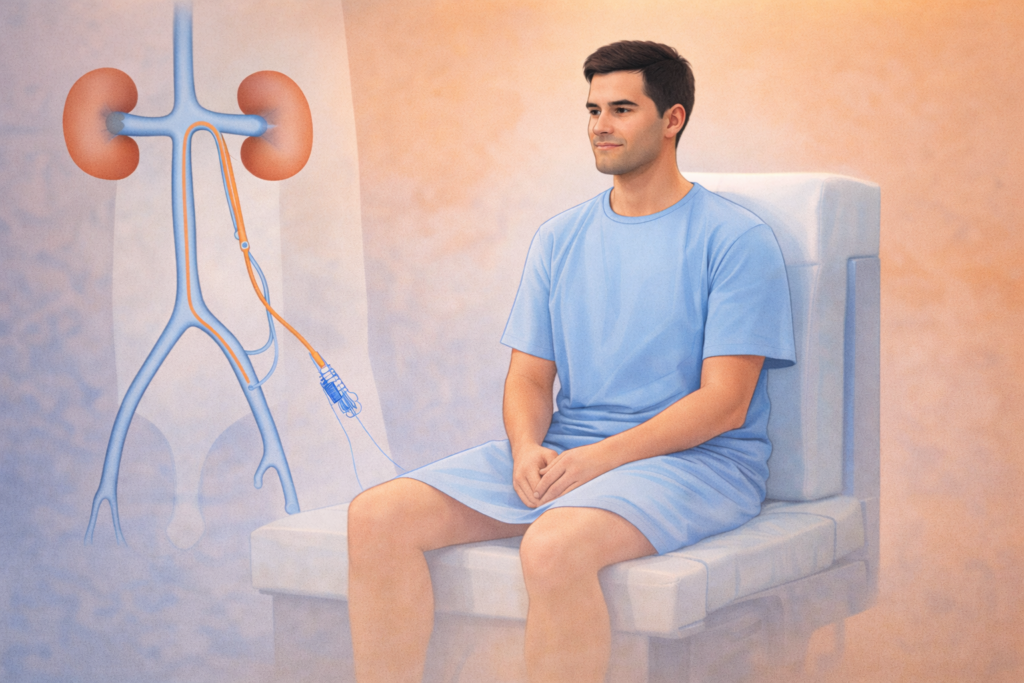
Varicocele embolization is a non-surgical treatment performed by an interventional radiologist. A small catheter is inserted into a vein (usually in your groin or neck), guided by imaging, and used to block the faulty veins causing the varicocele. Once those veins are sealed off, blood is rerouted through healthy veins, relieving pressure and improving testicular function.
Unlike traditional surgery (varicocelectomy), embolization doesn’t require stitches or general anesthesia. It’s performed with conscious sedation or local anesthesia and leaves only a tiny puncture site.
Who Should Get Embolization?
Varicocele embolization is commonly recommended for men who:
- Are experiencing testicular pain or discomfort due to varicocele
- Have fertility issues linked to low sperm count or motility
- Want a minimally invasive option with quick recovery
- Previously had surgery and saw recurrence
Now, let’s talk about how to prepare for the big day.
Step 1: Talk to Your Doctor and Ask Questions
Before anything else, make sure you’ve had a thorough consultation with your urologist or interventional radiologist. Don’t hesitate to ask questions like:
- How long will the procedure take?
- What type of anesthesia will be used?
- How long should I plan to rest afterward?
- When can I resume exercise or sexual activity?
It’s important to know exactly what to expect so you can plan accordingly.
Step 2: Schedule Time Off
Even though embolization is minimally invasive, your body still needs time to heal. Most men take one or two days off work, especially if their job is physically demanding. Schedule your procedure at a time when you can rest afterward without pressure.
Plan for:
- 1–2 days of light activity
- Up to a week before returning to heavy exercise or lifting
Step 3: Prepare Your Body
Your doctor will give you pre-procedure instructions. These usually include:
- No food or drink for 6–8 hours before the procedure (fasting)
- Stop taking blood thinners, aspirin, or anti-inflammatory medications as advised
- Let the team know about any allergies, especially to contrast dye, iodine, or latex
- Wear comfortable, loose-fitting clothing
You might be given a mild sedative before the procedure, so plan for someone to drive you home afterward.
Step 4: What to Bring on the Day of the Procedure
Here’s a quick checklist for your procedure day:
- Insurance card and ID
- Any necessary paperwork or test results
- List of current medications
- Comfortable clothes (sweatpants or shorts)
- Phone and charger
- Someone to accompany you and drive you home
Leave valuables at home, and try to arrive 30 minutes early to avoid stress.
Step 5: What to Expect During the Procedure
Here’s how the actual procedure typically goes:
- You’ll lie on your back on a procedure table.
- The area (groin or neck) will be cleaned and numbed with local anesthesia.
- The doctor will insert a catheter into the vein and use imaging to guide it to the varicocele.
- Once in place, a small coil or special solution will be used to block the faulty vein.
- The catheter is removed, and a small bandage is applied—no stitches needed.
The entire process usually takes between 30 to 60 minutes.
Step 6: Recovery and Aftercare
Once the procedure is done, you’ll rest for about an hour under observation. Most patients go home the same day.
Here’s what recovery looks like:
- Mild discomfort or bruising at the catheter insertion site (groin or neck)
- Slight aching in the testicle for a few days
- Ice packs and over-the-counter pain meds can help
- Avoid heavy lifting, sports, or sex for about 5–7 days (or as advised)
- Follow up with your doctor within 1–2 weeks
Most men are back to normal activities in a few days.
Step 7: When to Call Your Doctor
Complications from embolization are rare, but call your doctor if you experience:
- Fever or chills
- Significant swelling or redness around the insertion site
- Severe or increasing pain
- Trouble urinating
- Nausea or dizziness
Better safe than sorry—don’t wait if something feels off.
Step 8: Long-Term Results
Varicocele embolization is highly effective. Studies show that:
- Pain symptoms improve or disappear in over 85% of patients
- Sperm count and motility often improve within 3–6 months
- It’s less invasive than surgery with a similar success rate
Most men feel a noticeable improvement in comfort and, for those trying to conceive, better fertility outcomes over time.
FAQs
No. You’ll likely be awake but sedated (relaxed) and numb in the treated area.
Final Thoughts
Varicocele embolization is one of the safest, most effective ways to treat varicoceles—especially for men dealing with pain or infertility. Preparing ahead of time, both physically and mentally, can make the process smoother and recovery quicker.
Take your time, ask questions, and follow your care team’s advice. A few days of rest now could lead to months—or even years—of improved comfort and fertility.