Let’s be real—testicular pain is uncomfortable, worrisome, and sometimes even scary. But before you let your mind go into overdrive, it’s good to know: not all testicle pain is caused by a varicocele. In fact, several other conditions could be at play—some mild, some urgent.
In this blog, we’ll help you get clarity on what might be going on down there. We’ll break down:
- What a varicocele actually feels like
- How to spot the differences between common causes of testicular pain
- Red flags you should never ignore
- What steps to take next
What Is a Varicocele and How Does It Cause Pain?
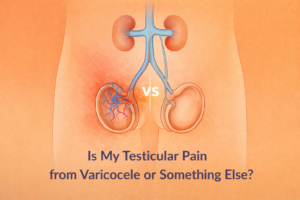
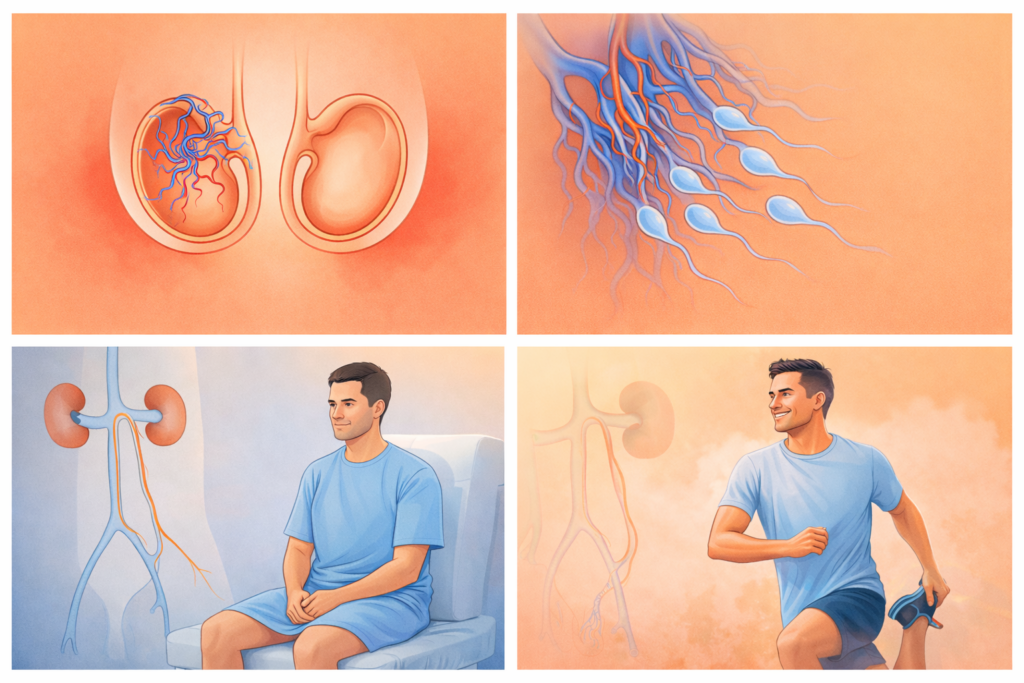
A varicocele is basically a swollen vein (or group of veins) in the scrotum—think of it like a “varicose vein” but in the testicular area. It typically develops on the left side and feels like a dull, aching pain that gets worse when standing for long periods or after physical activity.
Common symptoms of varicocele pain:
- Dull ache or dragging sensation
- Pain gets worse at the end of the day
- Visible or palpable “bag of worms” in the scrotum
- Reduced testicle size on the affected side
- Relief when lying down
If this sounds like you, a varicocele could be the culprit. But if your pain is sudden or sharp, you’ll want to keep reading…
Other Possible Causes of Testicular Pain
Pain in the testicle isn’t always straightforward. Here are some other conditions that can mimic or mask varicocele-related pain:
1. Testicular Torsion
- Pain: Sudden, severe, and sharp
- Other signs: Nausea, swelling, high-riding testicle
- Emergency? Yes! Needs immediate medical attention to save the testicle.
2. Epididymitis (Inflammation of the Epididymis)
- Pain: Gradual onset, can be severe
- Other signs: Fever, painful urination, redness
- Causes: Often a bacterial infection or STI
3. Inguinal Hernia
- Pain: Pressure or discomfort in the groin
- Other signs: Bulge in the groin or scrotum
- Causes: Intestine pushing through abdominal wall
4. Hydrocele or Spermatocele
- Pain: Usually painless, but large ones may cause discomfort
- Other signs: Swelling without pain
- Need Treatment? Not always, unless symptomatic
5. Orchitis (Testicular Inflammation)
- Pain: Sudden and intense
- Other signs: Fever, swollen testicle
- Often linked to: Viral infections like mumps
How Is Testicular Pain Diagnosed?
If you’re unsure what’s going on, a physical exam and a scrotal ultrasound are usually the first steps.
Here’s what to expect during the diagnosis:
- Ultrasound can detect varicocele, torsion, masses, or infections.
- Urine test may rule out infections.
- Blood test (rare) if infection or inflammation is suspected.
When Should You See a Doctor?
Don’t wait it out if:
- Pain is sudden and intense
- There’s swelling, redness, or fever
- You feel nauseated or dizzy
- There’s a noticeable lump or swelling
These could signal torsion or infection—both need immediate treatment.
Can You Have Varicocele Without Pain?
Absolutely. Many men with varicocele don’t even know they have it until they face fertility issues. But when it does hurt, the pain is usually described as a dull ache or dragging heaviness, not stabbing or sharp pain.
What Should You Do If You Suspect Varicocele?
If your symptoms point to varicocele (and not an emergency), the next step is:
- Get an ultrasound
- See a urologist or interventional radiologist
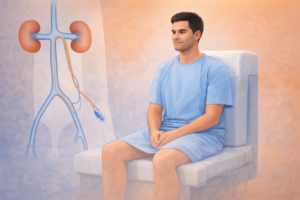
- Discuss treatment options like varicocele embolization (a non-surgical, outpatient fix)
Quick Symptom Comparison Chart:
| Symptom | Varicocele | Torsion | Epididymitis |
|---|---|---|---|
| Pain onset | Gradual | Sudden | Gradual |
| Type of pain | Dull ache | Sharp & severe | Aching/burning |
| Swelling | Sometimes | Yes | Yes |
| Relief when lying down | Yes | No | No |
| Emergency? | No | Yes | Maybe |
FAQs
Sometimes. Mild cases might improve with rest, support, or over-the-counter pain relief—but moderate to severe cases usually need treatment.
Treatment Options If It Is Varicocele
If diagnosed with painful varicocele, here are the typical treatment paths:
- Scrotal support and NSAIDs for mild cases
- Varicocele Embolization: Minimally invasive and effective (no stitches!)
- Varicocelectomy: Surgical removal (more invasive)
Final Thoughts: Don’t Guess—Get Checked
Testicular pain is your body’s way of saying, “Hey, something’s off.” Whether it’s a nagging ache or a sudden jolt, don’t ignore it. While varicocele is a common cause, other issues may be more urgent.
Take action. Get evaluated. You’ll either catch something early or gain peace of mind.